


In 2026, employers are not just hiring degrees, they’re hiring readiness. Workforce-ready graduates tend to show up with professional context, communication habits, and real project accountability already developed. The clearest predictor is not prestige, it’s whether the university consistently puts students in structured, career-relevant work before graduation. That is why universities with deep co-op and experiential learning systems stand out.
This list is not a ranking based on reputation. This shortlist highlights universities that consistently produce job-ready graduates by building programs around work experience, not just coursework.

Universities Known for Producing Workforce-Ready Graduates
Northeastern University
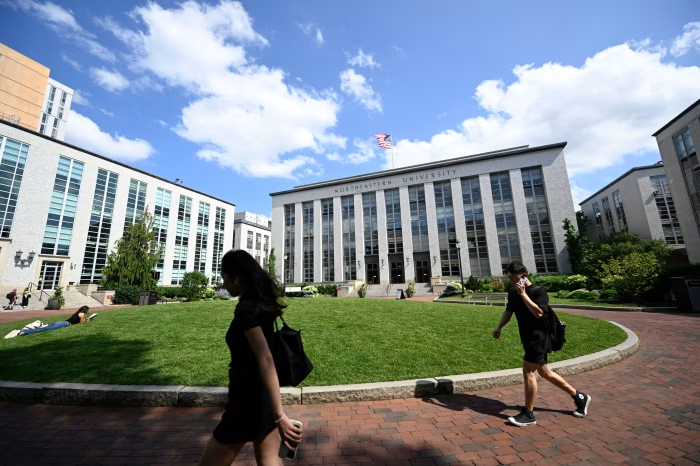
Northeastern is one of the most recognized co-op models in the U.S., built around full-time, months-long work experiences integrated into the degree path. Their program emphasizes structured professional immersion, not short exposure. The practical outcome is a graduate who has already navigated manager expectations, deadlines, and workplace collaboration before accepting a full-time offer. That model actively connects academic learning to real workplace performance.
Drexel University
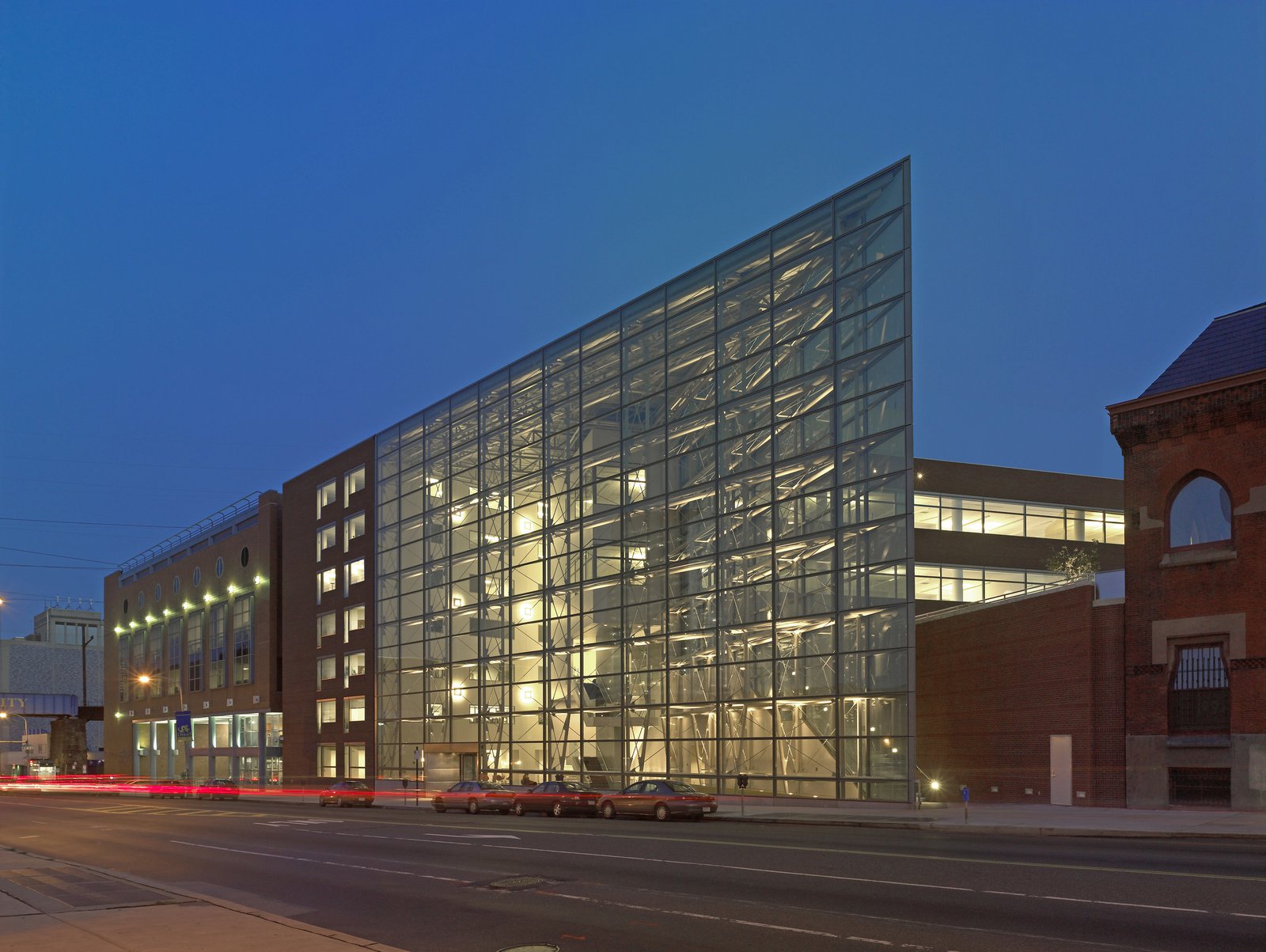
Drexel is a long-standing leader in cooperative education with a program built to give students substantial professional experience before graduation. Their structure allows students to complete multiple co-ops, which helps graduates show real progression, not just participation. That matters to employers because it demonstrates increasing responsibility, clearer career direction, and better workplace maturity. Drexel’s model is designed to make work experience a core part of the education, not an optional add-on.
University of Cincinnati
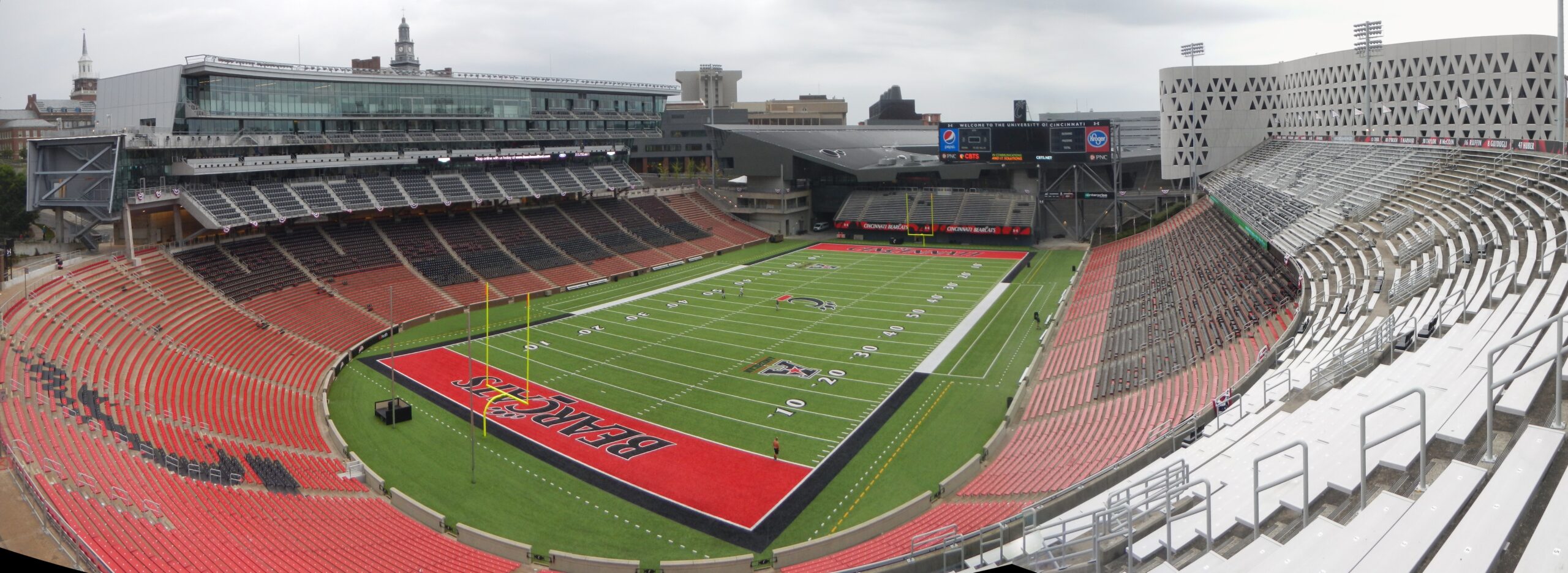
The University of Cincinnati is historically tied to the co-op model and continues to position experiential learning as a defining part of its approach. Their program is built around repeated, structured real-world learning cycles that reinforce readiness through repetition and feedback. For employers, that tends to translate into early-career hires who are more comfortable in professional environments and require less cultural ramp-up. Cincinnati’s co-op identity is not marketing, it’s central to how the university trains students for work.
Georgia Institute of Technology
Georgia Tech’s structures its co-op program around alternating semesters of study and paid work aligned directly with a student’s major. That repeated work pattern builds professional habits earlier and normalizes performance expectations while students are still learning academically. Employers often see stronger readiness when graduates have already operated inside real teams and real deadlines over multiple terms. The program pairs formal education with practical work that strengthens real job readiness.
Rochester Institute of Technology
RIT is well known for embedding co-op and career experience directly into many academic programs. Their positioning is explicit: students graduate with experience, not just a credential. For employers, that typically means more job-ready communication, clearer understanding of workplace norms, and less shock in the transition to full-time structure. RIT’s model emphasizes practical readiness through repeated exposure to industry settings.
Purdue University
Purdue’s co-op programs are structured around multiple work sessions, often with the same employer, to create continuity and deeper responsibility over time. That continuity matters because it produces graduates who have experienced longer-cycle work, not just short internships. Purdue develops strong employer partnerships and integrates students into meaningful project work that sharpens real job readiness. For companies hiring early-career talent, graduates with repeated sessions often require less onboarding to reach full productivity.
University of Waterloo
If you want to include a non-U.S. benchmark, Waterloo is one of the most cited co-op ecosystems globally and is built around large-scale employer integration. Their model is explicitly designed around repeated work terms, which creates graduates who are accustomed to professional pace and accountability. For employers, the key advantage is volume of experience and iteration, not just a single internship. Waterloo is a strong reference point for what a mature, work-integrated university pipeline can look like.

How TALNT Team Helps Employers Use University Pipelines Correctly
Most companies do not struggle because graduates lack potential. They struggle because they fail to define early-career roles clearly enough for graduates to succeed quickly. Readiness is a two-way equation: the candidate needs exposure, and the employer needs clarity, onboarding structure, and realistic performance expectationsLooking for graduates from these programs? TALNT Team connects with top university talent.