


Most companies scale hiring the same way they scale engineering: throw more people at the problem.
They hire a recruiter. When that recruiter drowns, they hire another. Then another. Before long, they have five overwhelmed recruiters using different processes, tracking candidates in spreadsheets, and still missing targets.
The problem isn’t the recruiters. It’s that you’re building a talent acquisition function backwards.
You need infrastructure before headcount. Systems before people. And you need a roadmap that accounts for the fact that what works at 10 hires per month will collapse at 30.
Here’s the truth: You can’t hire your way out of a systems problem.
The Framework: Three Distinct Stages
Building from 0 to 50 hires per month isn’t one journey. It’s three:
Stage 1: Foundation (0-10 hires/month): Build the machine before you hire the operators
Stage 2: Systemization (10-25 hires/month): Standardize everything so you can scale people
Stage 3: Optimization (25-50 hires/month): Layer in specialization and predictive planning
Stage 1: Foundation (0-10 Hires/Month)
What to Build FIRST (Before hiring anyone):
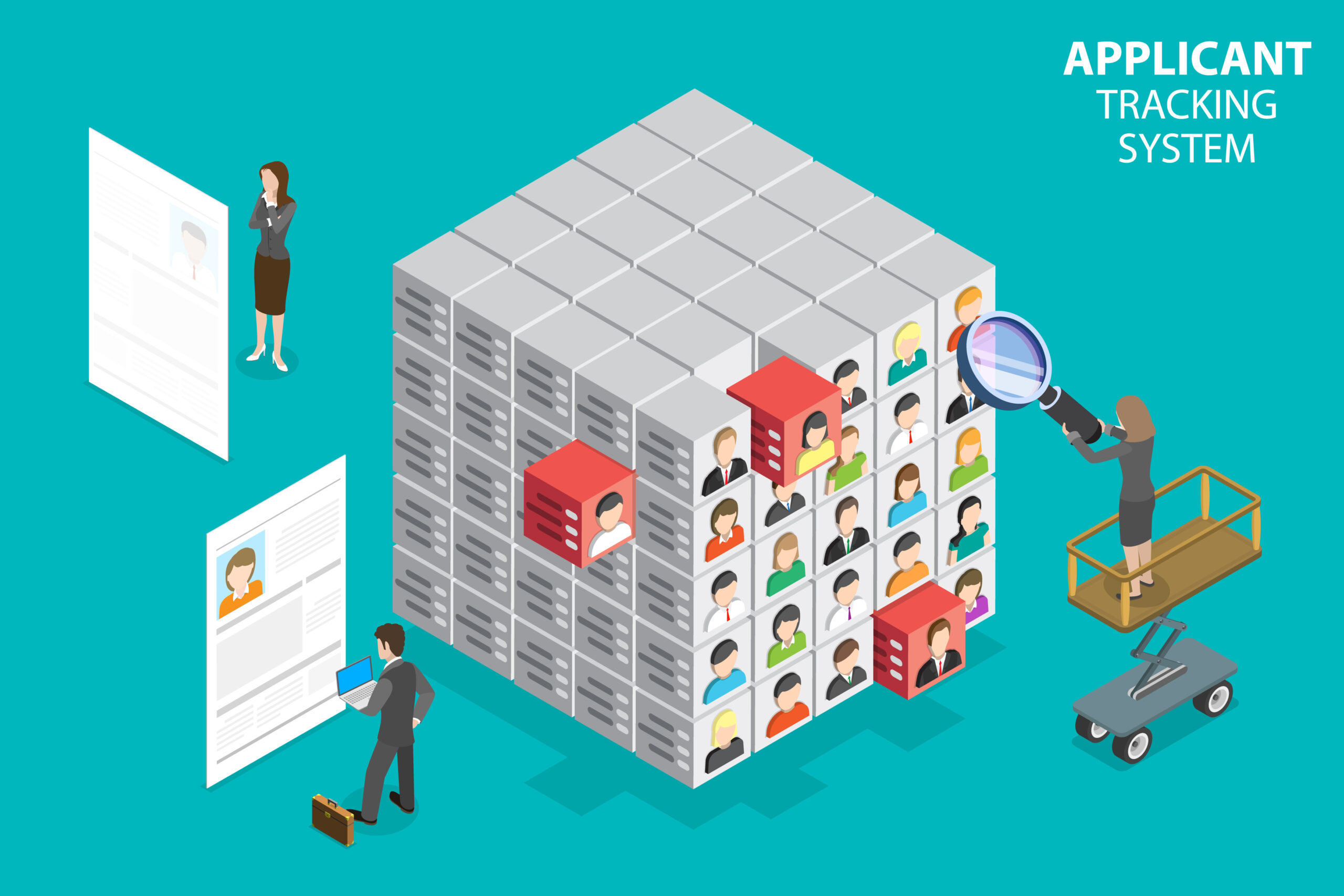
1. Your ATS: Choose Greenhouse, Lever, Ashby, or Workable. Every candidate interaction needs to live in one place. 86% of recruiters report that an ATS decreased their time-to-hire, making it a non-negotiable foundation.
2. Interview Process Templates: Document the following for each role type:
- How many rounds and who interviews when
- What each interviewer evaluates
- Clear “yes” vs “no” criteria
3. Hiring Manager Intake Process: Force clarity before posting jobs by requiring answers to these questions:
- What does success look like in 90 days?
- Must-have skills vs. nice-to-haves
- Approved salary range and realistic timeline
- Interviewer availability
4. Communication Templates: Pre-write emails for every stage of the candidate journey: outreach, application received, scheduled, rejection, and offer.
5. Your First Recruiter: Now hire a full-cycle recruiter who has built processes before, not just executed them.
Success metrics: Achieve a 30-45 day time-to-fill and maintain a 48-hour candidate response time.
Stage 2: Systemization (10-25 Hires/Month)
What’s breaking: One recruiter is maxed out, slow processes are losing candidates, and you have no pipeline visibility.
What to Build NOW:
1. Recruiting Capacity Model: Do the math. One recruiter handles 15-20 high-volume reqs, 8-12 mid-level, or 5-8 senior roles. Research from SHRM suggests 15-20 requisitions per recruiter as the median, though this varies significantly by role complexity. Calculate your weighted capacity.
2. Sourcing Infrastructure: Invest in LinkedIn Recruiter, boolean search training, sourcing tools (SeekOut, Gem), and talent community building.
3. Standardized Scorecards: Every interviewer fills the same scorecard: What did you evaluate? Rating? Specific evidence? No more “gut feel.”
4. Pipeline Metrics Dashboard: Build real-time visibility into reqs opened, candidates by stage, time in stage, offer acceptance rate, and source of hire.
5. Hiring Manager Training: Teach them to write better JDs, interview effectively, sell candidates, and move fast.
6. Second Recruiter or Embedded Support: Choose based on whether hiring is consistent (FTE) or spiky (embedded/contract).
Success metrics: Target a 25-35 day time-to-fill, maintain 3:1 pipeline coverage, and achieve 80%+ offer acceptance.

Stage 3: Optimization (25-50 Hires/Month)
What’s breaking: There’s no coordination between recruiters, you’re losing candidates to competitor speed, reporting is manual, and processes are ad hoc.
What to Build NOW:
1. Recruiting Operations Role: This person owns ATS admin, analytics, documentation, tool stack, and compliance while freeing up recruiters to focus on recruiting.
2. Specialized Recruiting Pods: Create dedicated teams (Engineering pod, GTM pod, G&A pod) where each becomes an expert in their specific talent market.
3. Candidate Experience Automation: Implement tools like Calendly, text updates, video platforms, reference check automation, and offer letter templates.
4. Talent Community & Pipelining: Build evergreen pipelines through events, email nurture campaigns, and a “talent community” for future candidates.
5. Predictive Hiring Planning: Forecast your hiring needs 2-3 quarters out and work backwards from start dates to build recruiting timelines.
6. Head of Talent Acquisition: This strategic leader owns strategy, team development, stakeholder management, metrics, and budget.
Success metrics: Reach a 20-30 day time-to-fill, maintain 95%+ 90-day retention, and achieve 4-6 hires per recruiter per month.

Real-World Example: Bumble in 30 Days
When Bumble moved operations to the U.S., they needed to rebuild their entire TA function while hiring 80+ engineers simultaneously.
What TALNT Team did:
Week 1: Audited ATS, built standardized interview loops, created scorecards, trained hiring managers
Week 2: Embedded 15 recruiters across engineering, product, and data science with specific req loads
Week 3-4: Launched sourcing campaigns, implemented real-time reporting, ran weekly calibration sessions
Result: 80+ engineering hires in 90 days with a scalable function that operated independently after engagement.
The key? System first, people second.

Your Build Checklist
Before First Hire: Configure your ATS, create interview templates, build intake forms, write communication templates, and develop job description templates.
0-10 Hires/Month: Hire your first recruiter, purchase LinkedIn Recruiter, implement scorecards, and establish weekly pipeline reviews.
10-25 Hires/Month: Calculate your capacity model, bring in a second recruiter or embedded support, build your metrics dashboard, and launch hiring manager training.
25-50 Hires/Month: Hire Recruiting Ops, create specialized pods, implement automation tools, build talent pipelining, establish predictive planning, and hire your Head of TA.

The Bottom Line
Most companies build TA functions backwards. Hiring recruiters before building systems, then wondering why everyone burns out at scale.
Infrastructure before headcount. Process before people.
The unsexy work of documentation, templates, and system design is what lets your team operate at 50 hires per month without working weekends.
Need Help Building Your TA Function?
Building a talent acquisition function from scratch while running a business is like building a plane while flying it.
TALNT Team has done this 20+ times. We’ve embedded recruiting teams for Bumble, cart.com (350+ hires), and dozens of high-growth companies. We know what breaks at 10 hires, what breaks at 30, and how to build systems that scale.
Let’s talk about your hiring roadmap.