



From the outside, a job opening looks simple. A role appears online, candidates apply, interviews happen, and someone is hired. That is the visible version of hiring.
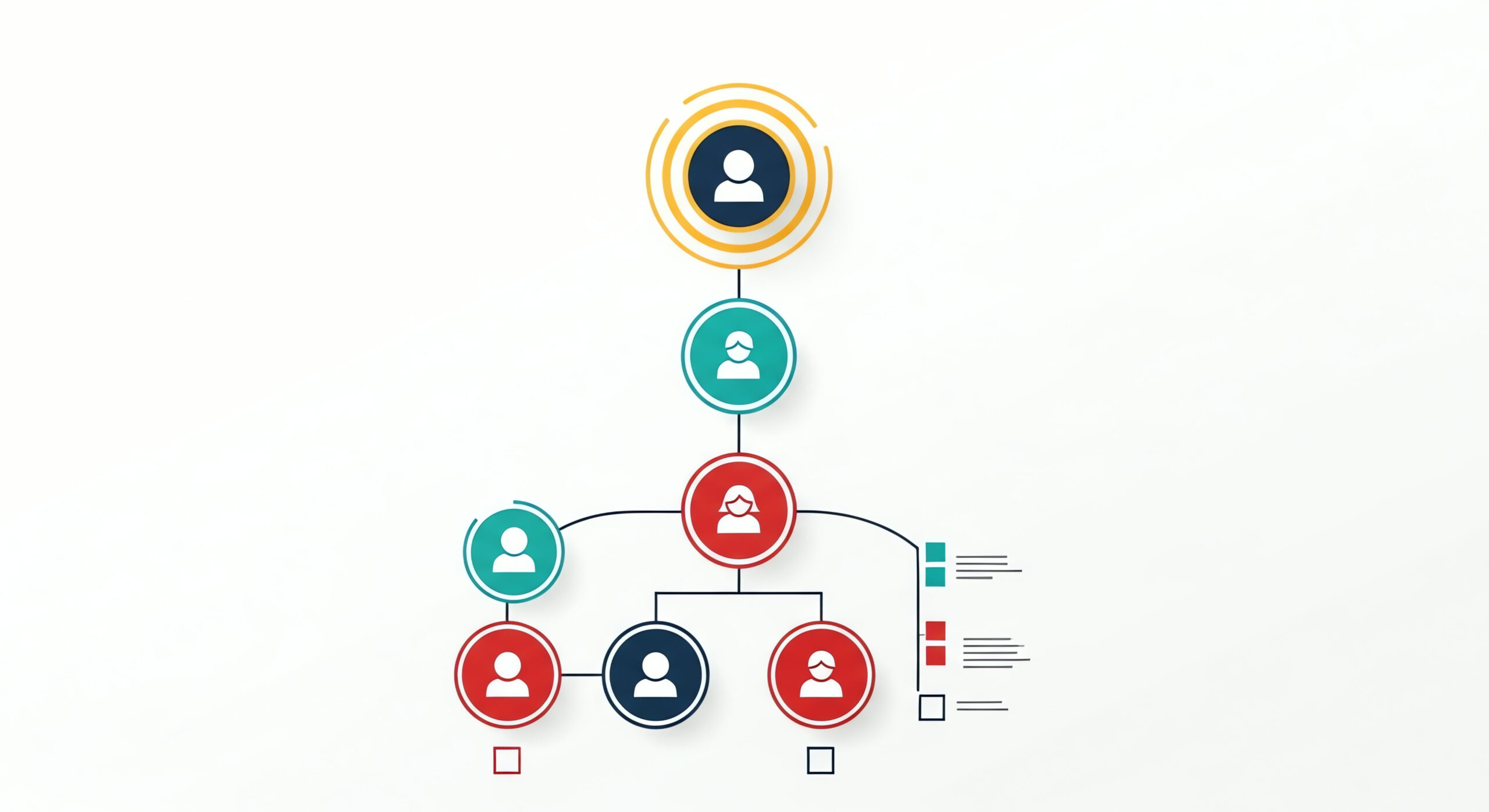
Behind that, every role follows a defined lifecycle. A job requisition moves through a series of stages before it is filled or closed. Each stage requires alignment, coordination, and decision making that most candidates never see.
Understanding that lifecycle makes it easier to see why some roles move quickly while others take time.
A Role Does Not Start When It Is Posted
A job requisition begins before anything is visible to candidates. It starts when a need is identified inside the business. That need has to be defined clearly before the role can move forward.
Hiring managers and recruiters work together to shape the role. They align on responsibilities, expectations, and what success looks like. Compensation, level, and timeline also need to be agreed on. Without that clarity, the process becomes difficult to manage later.
If this stage is rushed or unclear, it creates problems that show up throughout the rest of the lifecycle.
Approval and Alignment Set the Pace
Once the role is defined, it moves into an approval stage. This often involves leadership, finance, and internal stakeholders who need to sign off before the role can officially open.
This step is not always visible, but it has a direct impact on how quickly a role moves forward. If alignment is strong, the role can open without delay. If there are gaps or disagreements, the process slows down before it even begins.
Many hiring delays start here, not during interviews.

The Role Moves Into the Market
After approval, the requisition is opened and enters the market. This is when candidates begin to see the role through job postings, outreach, and recruiter activity.
At this stage, the role starts to take shape externally. The way it is positioned affects who applies and how candidates respond. Recruiters begin building a pipeline while also managing incoming applications.
This stage often looks straightforward from the outside, but it requires constant adjustment based on how the market responds.
Screening and Interviews Narrow the Field
Once candidates enter the process, the requisition moves into screening and interviews. This is where alignment between recruiters and hiring managers becomes critical.
Candidates are evaluated based on the criteria set earlier in the lifecycle. Feedback is collected, discussed, and used to decide who moves forward. This stage requires coordination across multiple people and schedules.
If expectations are not clear, the process can stall or reset. Strong alignment keeps the process moving and ensures that decisions are consistent.
Offers, Decisions, and Closing the Role
When a candidate is selected, the process moves into the offer stage. Compensation is finalized, approvals are confirmed, and the offer is presented.
This stage can move quickly when everything is aligned. It can also slow down if there are last-minute changes or delays in communication. Once the offer is accepted, the requisition is closed.
Closing the role does not just mean filling a position. It marks the end of the lifecycle for that specific need.
Why Some Roles Move Faster Than Others
Not all requisitions move at the same speed. The difference is usually not the market alone. It often comes down to how well each stage of the lifecycle is managed.
Clear role definition, strong alignment, and consistent communication allow a requisition to move forward without unnecessary delays. Gaps in any of these areas create friction that slows the process down.
From the outside, it can look like hiring is unpredictable. From the inside, it follows a structure that either supports speed or creates delays.At TALNT Team, we work across every stage of this lifecycle. Our focus is on keeping roles moving from definition to close with clarity and alignment. That allows companies to fill positions more efficiently and create a better experience for everyone involved.