


The resume is not dead. But it is no longer the decision maker.
For decades, hiring started with resume screening. Recruiters reviewed work history, education, and job titles to determine who moved forward. That process created a predictable outcome. The best-formatted resumes advanced. The best candidates did not always make it through.
In 2026, resumes have become background context. The actual evaluation happens elsewhere.
Skills Assessments Are Now the Filter
Companies are shifting the screening process from credential review to skills verification. Pre-employment assessments test whether candidates can actually perform the work, not just describe it.
According to recent data, 81% of companies now use skills-based hiring, prioritizing demonstrated ability over listed experience. This is not a preference. It is how candidates get shortlisted.
The resume still provides career context. But the assessment determines who gets interviewed.

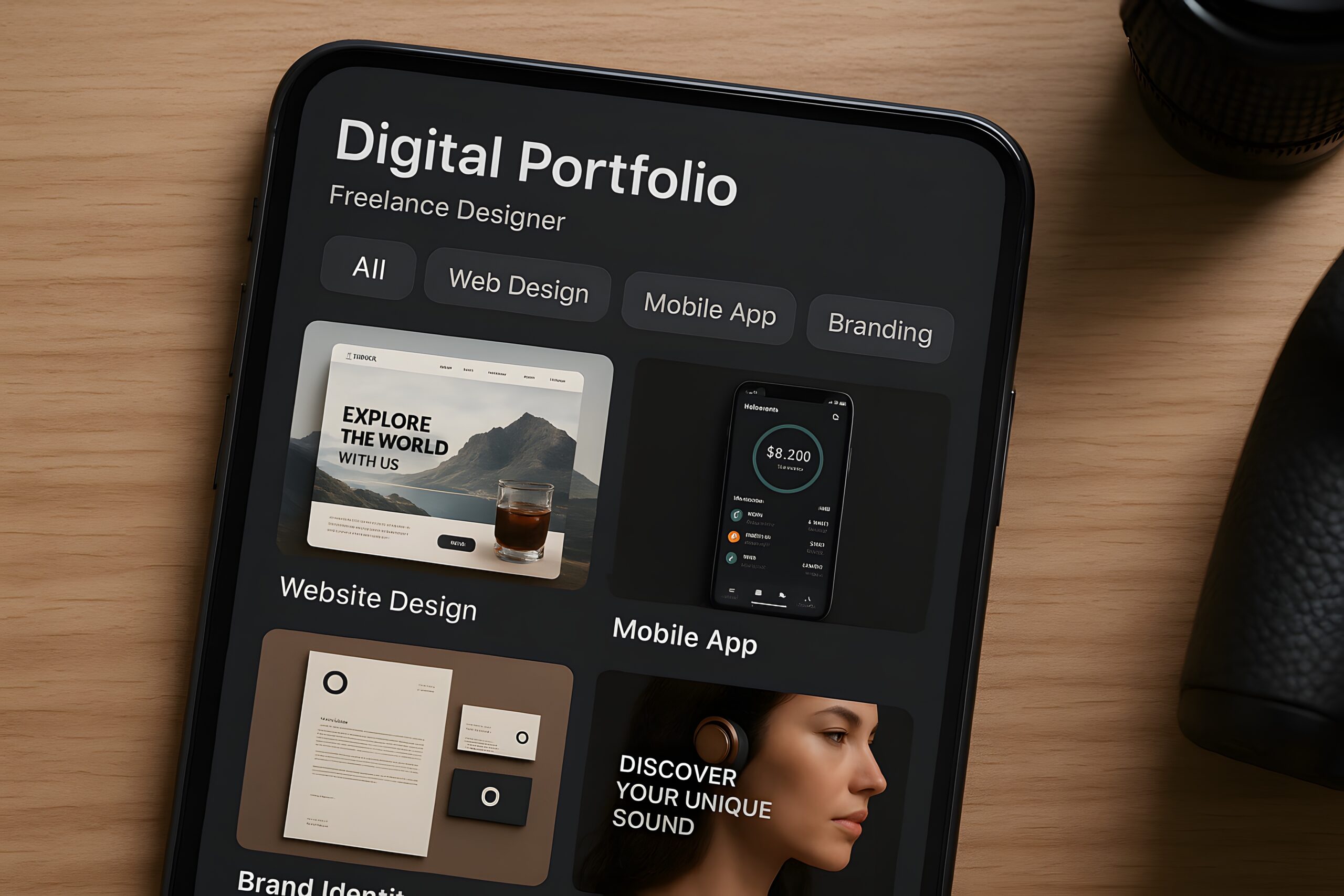
Portfolios Replace Self-Reported Experience
Candidates are no longer just telling recruiters what they can do. They are showing it.
For technical roles, this means GitHub repositories, deployed projects, and code samples. Creative roles, it means case studies, campaign results, and design work. For business roles, it means analysis frameworks, strategic documents, and measurable outcomes from previous work.
Portfolios are not optional add-ons anymore. They are expected proof points that validate what resumes claim.
Work Simulations Test Real Capability
Interviews used to rely on behavioral questions and hypothetical scenarios. That approach measures how well someone talks about work, not how well they do it.
Work simulations have changed this. Candidates complete abbreviated versions of actual job tasks. Developers debug code. Analysts interpret datasets. Marketers draft campaign plans. Customer success managers handle mock escalations.
This approach eliminates ambiguity. Performance on the simulation predicts performance on the job far more accurately than resume screening ever could.

AI Screening Has Made Resumes Less Reliable
The same AI tools that help recruiters screen resumes are now helping candidates optimize them. The result is a resume quality inflation that makes differentiation harder.
Candidates use AI to match keywords, rewrite bullet points, and format for ATS compatibility. This creates polished documents that say less about actual capability. A recent survey found that 62% of employers believe AI-generated resumes make candidates look more qualified than they actually are.
Recruiters have responded by reducing reliance on resume content and increasing reliance on verification methods that AI cannot fake.

The Resume Still Has a Role
Resumes have not disappeared. They provide necessary information that other methods do not capture.
Career progression still matters. Employment timelines create context. References need contact points. Compliance documentation requires formal records.
But resumes no longer determine who moves forward. They confirm details after other evaluation methods have already filtered the candidate pool.
What This Means for Hiring Teams
The shift away from resume-first screening requires process redesign. Companies cannot simply add assessments on top of existing workflows. The assessment needs to become the primary filter, with resume review happening later.
This also changes how recruiters evaluate candidates. Speed no longer comes from skimming resumes quickly. It comes from automated scoring of skills tests and simulations that provide objective comparison data across all applicants.At TALNT Team, we work with companies to build hiring processes that prioritize verification over self-reporting. The resume is still part of that process. It is just no longer the part that decides who gets hired.