


Over the past few years, the phrase quiet quitting has become one of the most widely discussed workforce trends. Leaders often associate it with employee disengagement, declining productivity, or individuals who limit their effort to the bare minimum expectations of their role. While the conversation around quiet quitting is important, many organizations focus on the wrong question.
The real leadership challenge is not simply how to stop quiet quitting. The real challenge is how to build an organization that remains stable, productive, and resilient even when employee engagement fluctuates or turnover occurs.
This is where workforce contingency planning becomes essential. Companies that succeed in today’s labor market are not just trying to prevent disengagement. They are building hiring strategies that protect their teams, maintain operational momentum, and ensure that talent gaps never stall progress.
At TALNT Team, we work with organizations that are thinking about hiring as a long-term strategic function rather than a reactive task. When leaders combine strong employee engagement with proactive workforce planning, they reduce the risk of quiet quitting while strengthening the entire organization.
Understanding What Quiet Quitting Really Means
Quiet quitting is often misunderstood as an employee choosing to stop working hard. In reality, it usually reflects a deeper disconnect between employees and their work environment. When professionals begin to disengage from their role, the signals often appear gradually through reduced initiative, limited collaboration, and a noticeable decline in ownership of responsibilities.
In many cases, quiet quitting emerges when employees no longer see clear growth opportunities or when communication between leadership and teams becomes inconsistent. If workloads increase while support and development remain stagnant, employees may begin doing only what is required rather than actively contributing to the organization’s success.
For leadership teams, quiet quitting should not be viewed solely as a cultural issue. It is also a business risk. When engagement drops across key roles, productivity slows, collaboration weakens, and organizations may struggle to maintain the pace required to support growth.
Industries such as IT infrastructure, cybersecurity, cloud operations, and data center construction are particularly vulnerable to these challenges because specialized talent is already in high demand. Even small changes in workforce engagement can affect project timelines, operational capacity, and long-term hiring strategies.
Understanding quiet quitting is important, but preventing operational disruption requires a broader workforce strategy.

The Strategic Difference Between Quiet Quitting and Workforce Contingency Planning
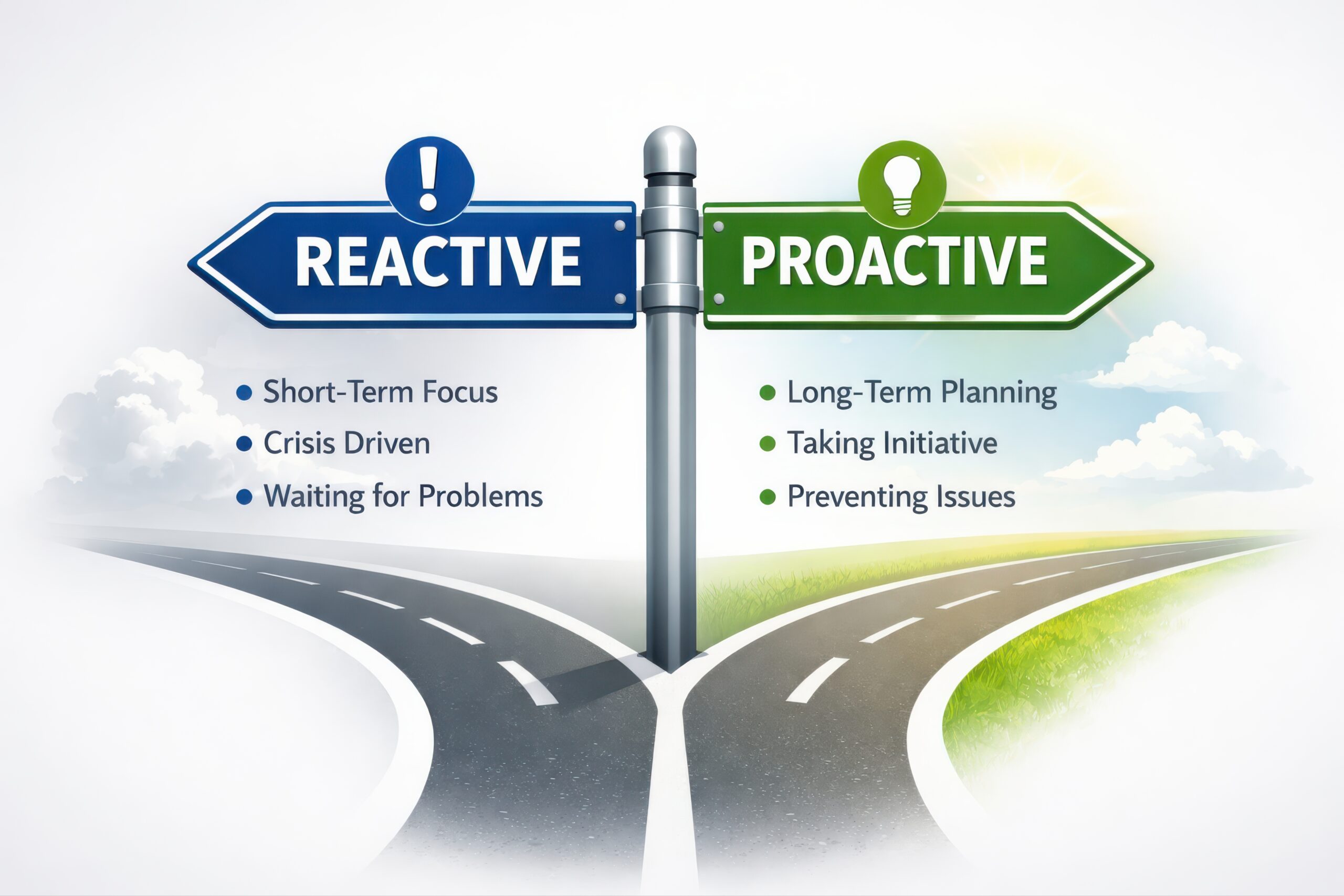
Quiet quitting and workforce contingency planning represent two very different approaches to managing talent challenges. Quiet quitting describes a symptom that organizations experience when employees become disengaged. Workforce contingency planning focuses on ensuring that the organization remains stable and productive regardless of workforce disruptions.
When leaders focus only on quiet quitting, the response often centers on improving morale or introducing engagement initiatives. These efforts can strengthen culture and improve communication, but they do not always address the operational risks created by sudden turnover, delayed hiring cycles, or unexpected growth.
Workforce contingency planning takes a broader view of organizational stability. Instead of focusing solely on employee behavior, leaders examine how their workforce is structured and whether their hiring strategy can support continuity when change occurs. This approach requires organizations to understand where their most critical roles exist, how talent pipelines are developing, and how quickly they can scale hiring when business needs shift.
Organizations that prioritize contingency planning recognize that workforce disruption is inevitable. Employees will pursue new opportunities, industries will evolve, and business priorities will change. When leadership teams plan ahead, they ensure that these shifts do not slow down the organization’s progress.
At TALNT Team, we help organizations move beyond reactive hiring cycles and toward strategic workforce planning that supports long-term growth.
Why Workforce Planning Is a Leadership Priority in 2026
The hiring landscape continues to evolve rapidly as organizations expand their digital infrastructure and technology capabilities. Demand for professionals across IT, cybersecurity, cloud operations, and data center construction continues to outpace the available talent supply.
At the same time, employee expectations are shifting. Professionals today want clear career progression, transparent leadership communication, and meaningful work environments where their contributions are recognized and supported.
These changes mean that hiring cannot operate as a short-term solution to open roles. Workforce planning must become part of the organization’s broader growth strategy. Leaders must think about how teams will scale over time, how critical skills will be maintained, and how talent pipelines will support future expansion.
Organizations that treat hiring as a strategic function are better prepared for workforce disruption because they maintain visibility into both current and future talent needs. This level of planning helps companies avoid sudden staffing shortages and allows leadership teams to maintain operational momentum during periods of change.
Companies that plan ahead also create stronger environments for employee engagement because teams feel supported rather than stretched thin.
How Strong Talent Strategy Reduces Quiet Quitting
Organizations that successfully reduce quiet quitting typically share several common characteristics. Leadership communication is consistent, employees understand how their work contributes to broader company goals, and career growth opportunities remain visible.
When professionals see a clear future within an organization, they are far more likely to remain engaged and motivated in their roles. Leaders who prioritize mentorship, professional development, and transparent expectations create environments where employees feel valued and connected to the company’s direction.
Workforce planning also plays an important role in preventing disengagement. When teams operate with the right level of staffing and support, employees are less likely to experience burnout. Proactive hiring strategies ensure that organizations can continue scaling without placing excessive pressure on existing teams.
At TALNT Team, we see that organizations with the strongest engagement treat hiring as a strategic investment, not an emergency response.

Building a Workforce Contingency Plan That Works
A strong contingency plan begins with understanding which roles are most critical to organizational success. Leaders must evaluate their current workforce structure and identify where operational risk could occur if key positions were suddenly vacant. This process assesses skill coverage, succession risk, and pipeline strength, providing a clear view of overall workforce resilience.
Another important component of contingency planning is maintaining access to reliable recruiting partnerships. Organizations with trusted recruiting support can respond quickly to shifting hiring needs without compromising candidate quality. Flexible hiring solutions enable efficient scaling without losing alignment with long-term strategy. Aligned together, these elements enable rapid adaptation while sustaining business momentum.

How TALNT Team Helps Organizations Plan for Workforce Stability
At TALNT Team, we believe that hiring should never be treated as a last-minute reaction to open roles. Our approach focuses on helping organizations develop strategic workforce plans that support both engagement and long-term stability.
Through a combination of recruiting expertise, industry insight, and flexible hiring solutions, we help leadership teams strengthen their pipelines and build contingency plans that protect their operations. Whether organizations are expanding rapidly or preparing for future workforce needs, proactive hiring strategy creates the foundation for sustainable growth.
The companies that succeed in today’s workforce environment are the ones that plan ahead. When organizations invest in both employee engagement and contingency planning, they create resilient teams prepared for whatever the future brings. If your organization wants to strengthen its hiring strategy, TALNT Team is here to build a workforce plan designed for long-term success.